
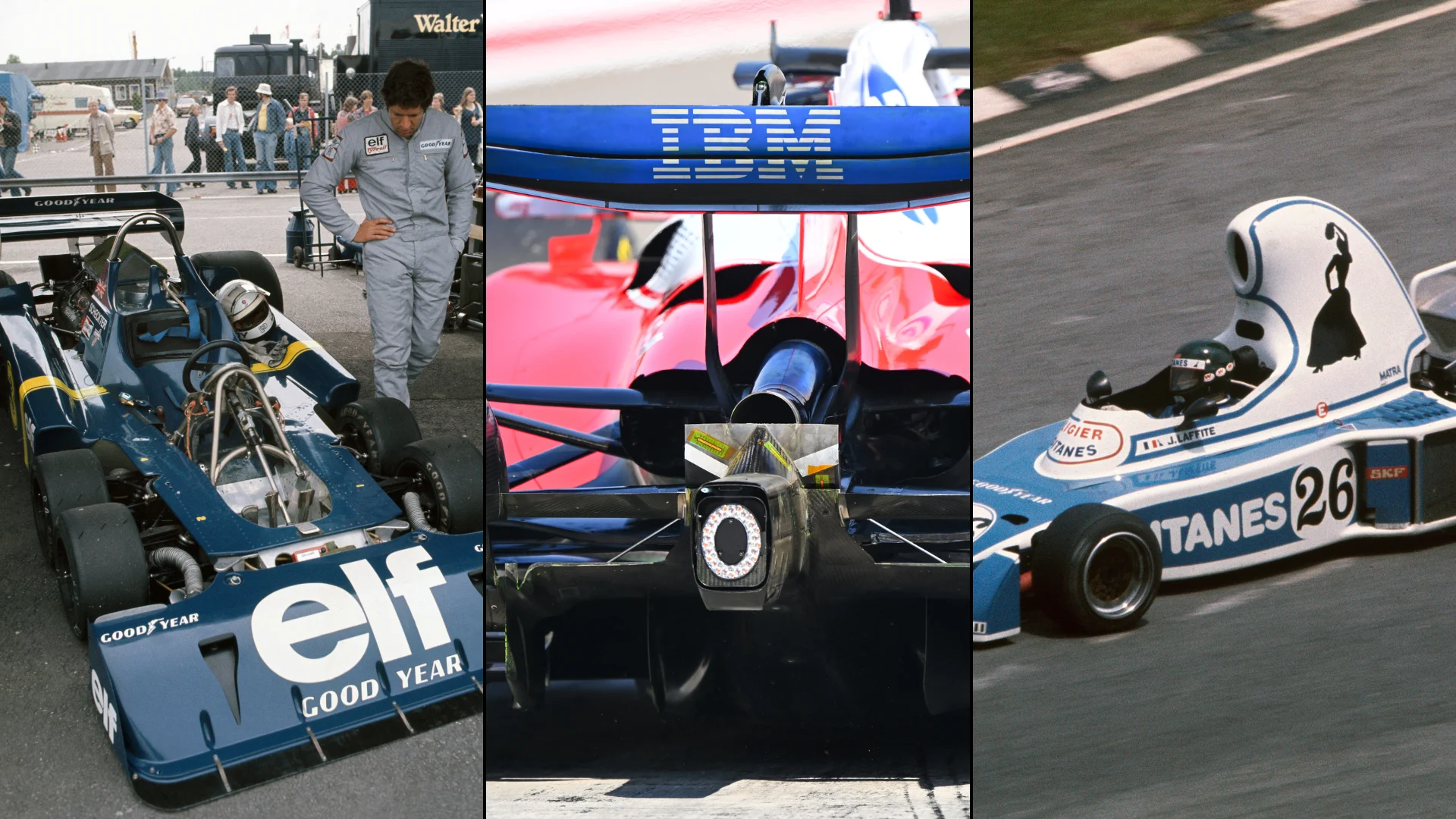
While Formula 1 has seen many changes over the years, one factor that remains is the constant development of technology, with teams continuing to come up with fascinating innovations in a bid to improve their prospects on the track.
From double diffusers through to Ferrari’s recent ‘flip-flop’ wing, there have been plenty of never-before-seen designs popping up across the decades – some being short-lived, while others have stayed the course.
Join us as we take a look back at eight of the wildest technical innovations in F1 history…
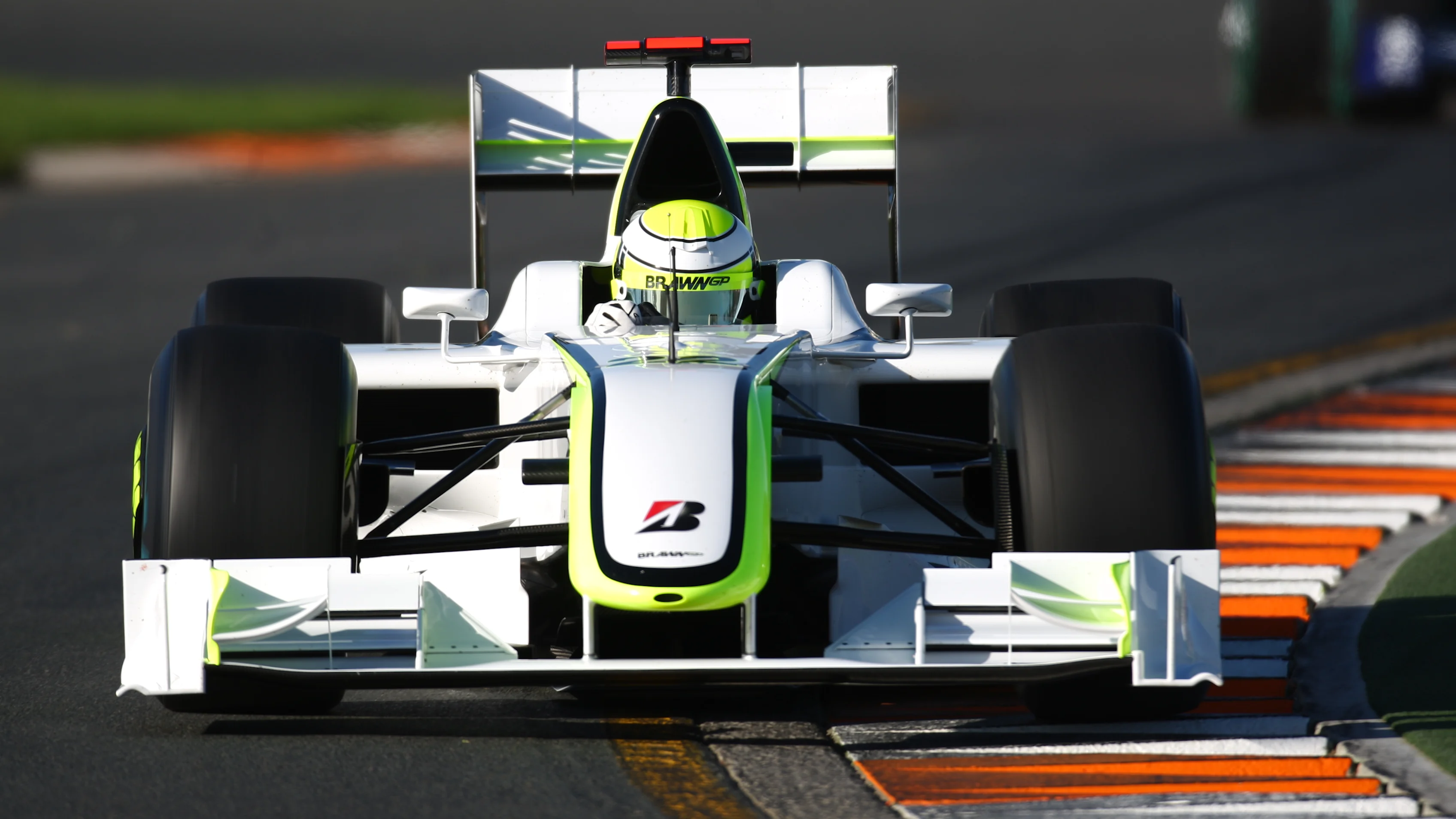
Brawn GP double diffuser, 2009
Given that we are currently at the beginning of a new era of Formula 1, it seems fitting to start with a design that came about during a previous rules reset – that being the ‘double diffuser’, a device famously sported on Brawn GP’s maiden car in 2009.
The idea for the creation came from junior aerodynamicist Masayuki Minagawa, with the design exploiting a loophole in the then-new regulations – which had aimed to reduce aerodynamic levels – by using a hole in the floor of the car to channel air up to a second diffuser.
While Brawn GP were not the only team to utilise such a feature – with Toyota and Williams running similar parts – it was the former that hit the ground running to stunning effect with the BGP 001, which won on its debut courtesy of Jenson Button and would go on to bring both titles to the team in one of F1’s best-known fairytale stories.
Members of the squad have since downplayed the impact of the double diffuser in terms of their success during that season – but the device remains one of the sport’s most memorable innovations.
Tyrrell six-wheeled car, 1976
In terms of the most visually arresting developments in Formula 1, Tyrrell’s six-wheeled car from the 1976 season is certainly up there, a design that again exploited a loophole to very eye-catching effect.
The Tyrrell P34 was created by Derek Gardner, the squad’s Chief Designer, with the radical challenger sporting four smaller wheels at the front alongside two regular-sized tyres at the back. His thinking was that this would provide better traction at the front of the car, as well improving the aerodynamics.
Making its maiden appearance at the Spanish Grand Prix – the fourth round of the campaign – the car quickly showed promise. Only three races later in Sweden, Jody Scheckter put the P34 on pole position which he converted into a victory, making him the only driver to win a race in a six-wheeled car.
The concept was abandoned by Tyrrell at the end of 1977 – and while other teams would also experiment with six-wheelers, the design was eventually outlawed.
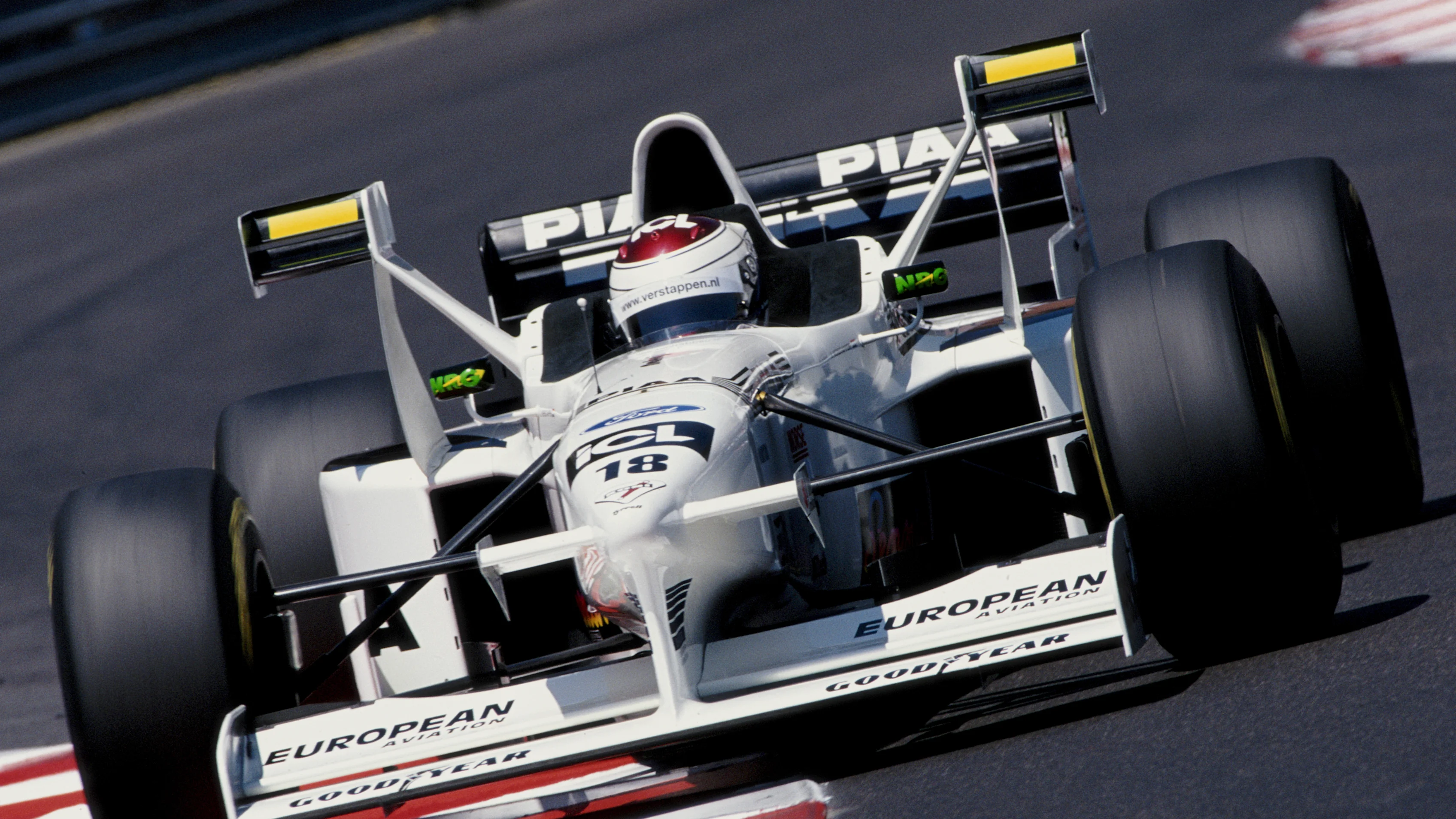
Tyrrell X-wings, 1997
Another innovation was borne via a Tyrrell car two decades later, when the famous ‘X-wings’ made their first appearance on the squad’s 025 challenger in 1997.
At high downforce circuits on the calendar, the outfit added a pair of high winglets – which became known as X-wings – on either side of the cockpit, with the aim being to generate the grip needed at venues such as Monaco and Imola.
The move seemingly paid off at Monte Carlo, where Mika Salo claimed a season-best P5 finish. Tyrrell carried the design forward into 1998, while other teams – including Ferrari, Sauber and Jordan – also started to deploy the extra wings.
This did not last long, however, as the device was banned just a few rounds into the season owing to concerns over safety.
Brabham fan car, 1978
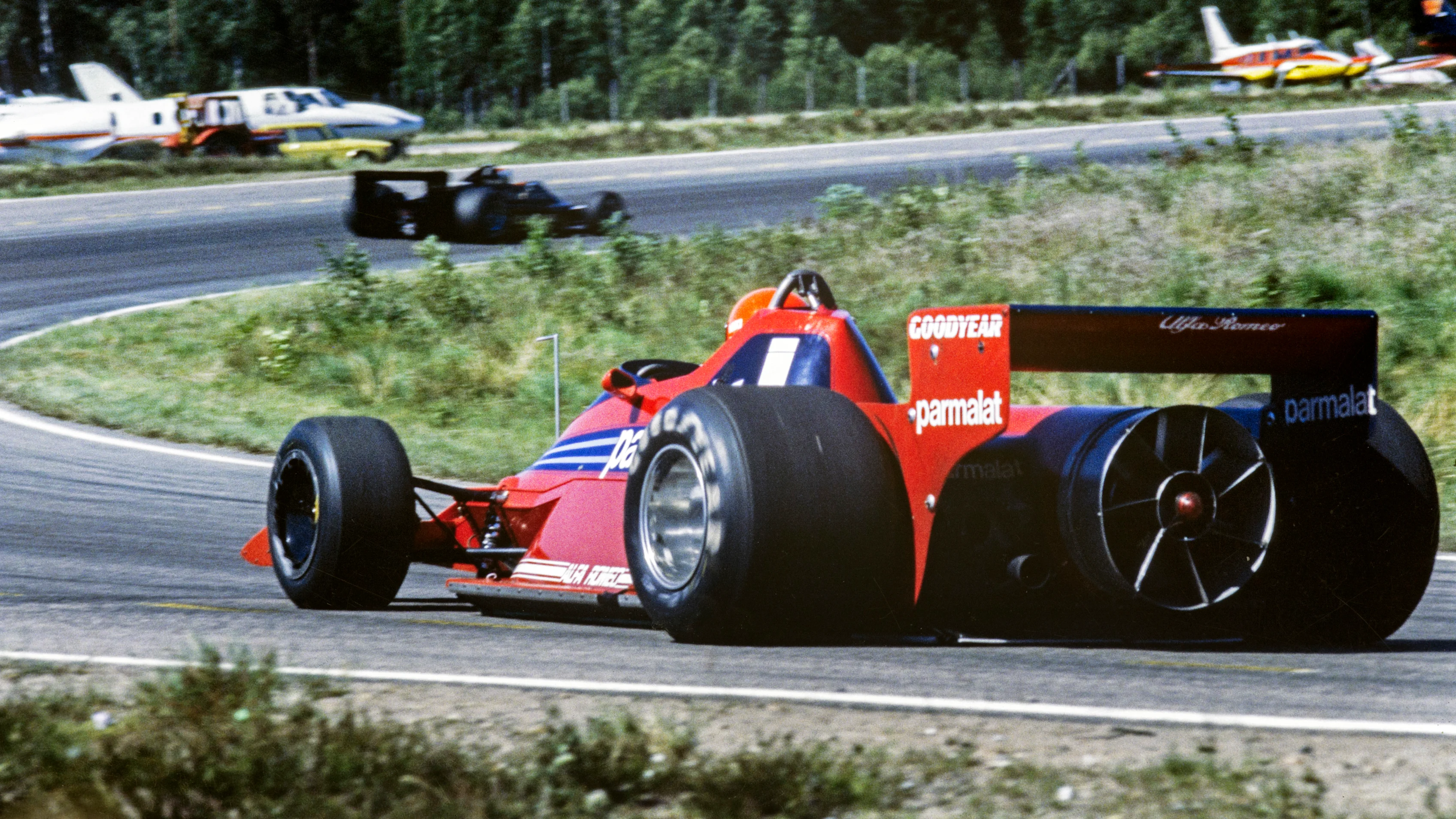
Though some innovations might only make a fleeting appearance in Formula 1, their legacy can live on for many years – and that has been the case with the Brabham BT46B, better known as the ‘fan car’.
The opening seven rounds of the 1978 season had seen Lotus lead the way, meaning that their competitors had to figure out how they could catch up. Over at Brabham, designer Gordon Murray had come up with a radical design that the squad hoped could potentially do just that.
Introduced at the Swedish Grand Prix, the BT46B sported a huge fan at the rear to generate downforce and cool the car – and as well as grabbing attention for being visually bold, the new challenger quickly made an impression on the track, with Niki Lauda driving it to victory.
It would prove to be this iteration of the car’s sole appearance, as – amid protests from rivals – then team owner Bernie Ecclestone voluntarily withdrew the BT46B.
Mercedes Dual Axis Steering, 2020
Many F1 fans delight in spotting a new innovation – and there were perhaps some who could not believe their eyes upon first seeing Mercedes’ Dual Axis Steering, better known as DAS, during 2020 pre-season testing in Bahrain.
On only the second day of the test, onboard footage from Lewis Hamilton’s car seemed to show the Briton moving the steering wheel in his car to change the alignment of the front wheels, either pushing or pulling on the steering column to do so.
Being able to switch between a ‘toe-out’ and ‘toe-in’ angle of the wheels appeared to offer the driver a tool to better handle the balance of the car and look after the tyres, arguably providing a particular advantage on circuits with long straights.
The design quickly became the talk of the paddock and, while it was allowed under the 2020 regulations, it was subsequently banned for 2021.
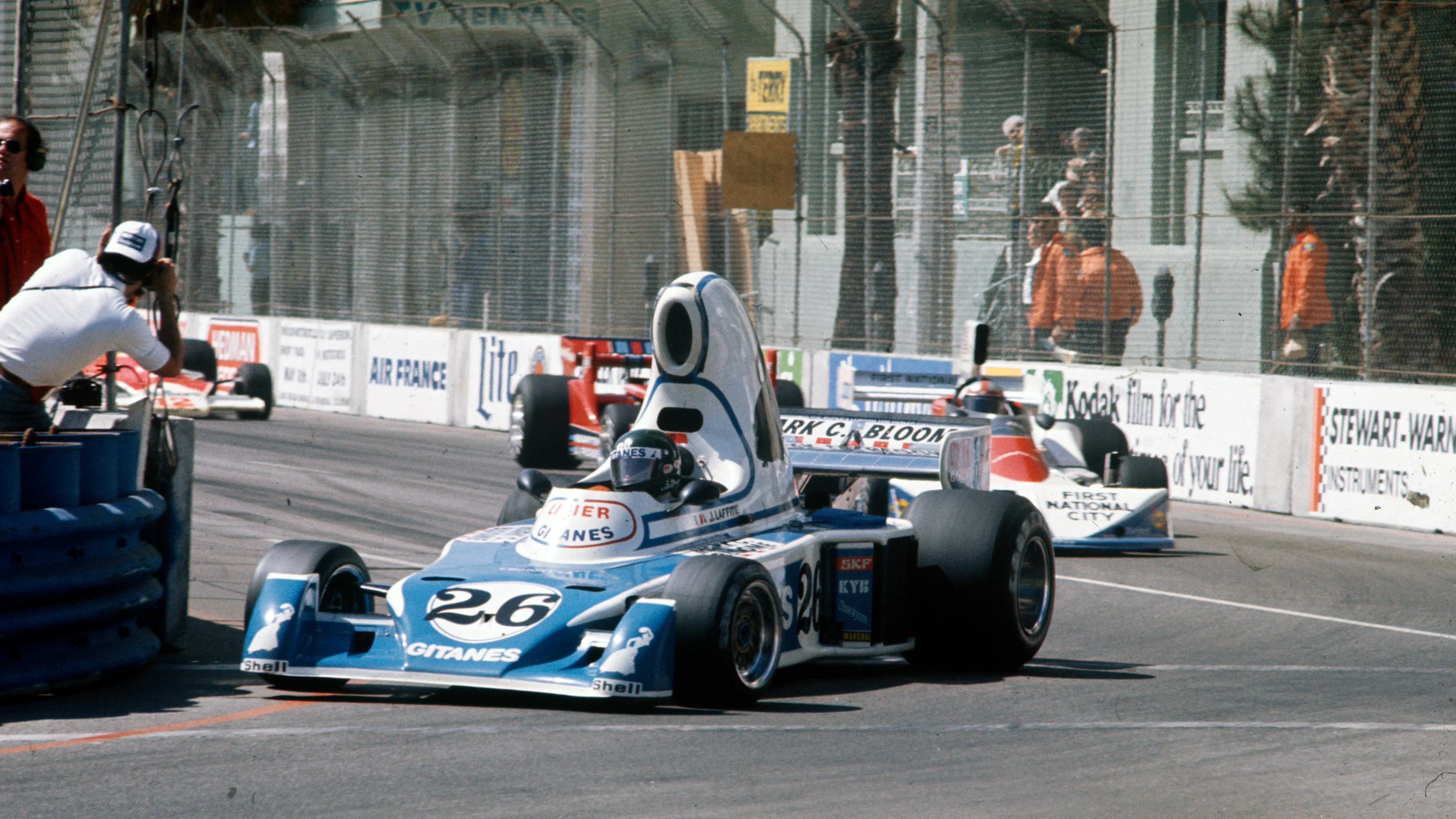
Ligier ‘teapot’ airbox, 1976
When the Ligier team made their F1 debut in the 1976 season, the squad certainly made an impression when they arrived with their maiden challenger, the JS5.
A very high airbox on the car led to it being nicknamed the ‘teapot’ – and its first two appearances did not end well, with driver Jacques Laffite retiring from the opening rounds of the season.
However, the Frenchman took the JS5 to fourth place at Round 3 in the United States, before going on to cross the line in 12th at the subsequent Spanish Grand Prix.
As of Round 5 in Belgium, tall airboxes were banned – but that did not stop Ligier from experiencing success minus the 'teapot', with the outfit scoring their debut podium at that race via Laffite’s P3 result. He would go on to secure another two rostrum finishes later in the campaign, as well as taking pole position at Monza.
McLaren F-Duct, 2010
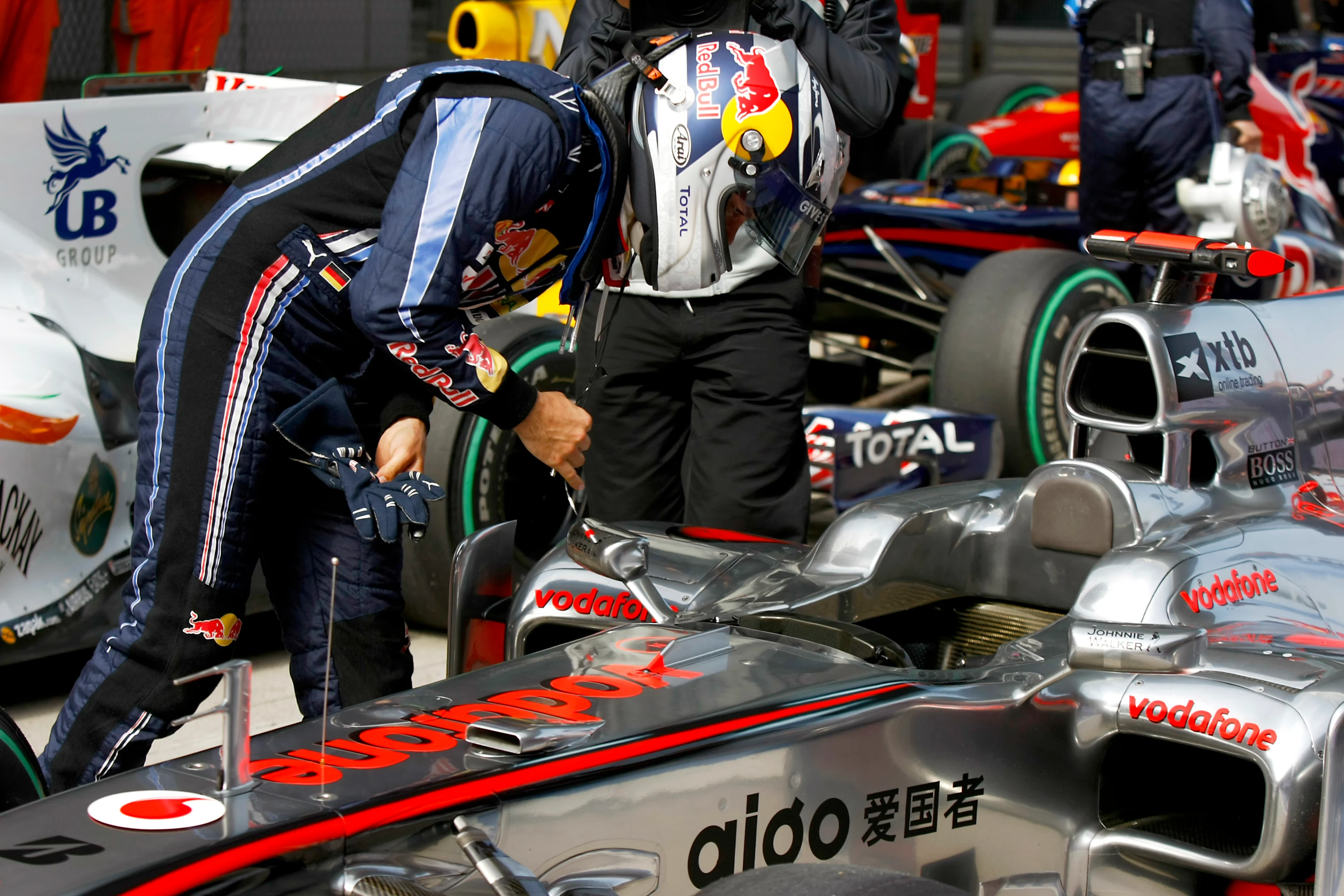
After the aforementioned double diffusers of 2009 were outlawed for the following season, McLaren came up with an innovation of their own in 2010.
The RW80 – better known as the F-Duct – was a system that stalled the rear wing, thus reducing drag and allowing the car to reach higher top speeds. With ‘moveable aerodynamic devices’ banned, the tool got around this due to being operated by the driver blocking a small vent in the cockpit, with a ‘snorkel’ on the front of the chassis taking in air that could be channelled through to the rear wing.
As part of the MP4-25, the new gadget appeared to contribute to an improved performance for McLaren in 2010, though the team and its drivers ultimately missed out on both titles to the partnership of Red Bull and Sebastian Vettel.
The season would also prove to be the first and last for the F-Duct, with the tool banned for 2011 while the Drag Reduction System – known more commonly as DRS – was introduced.
Ferrari ‘flip-flop’ wing, 2026
And now we arrive at one of the most recent eye-catching innovations to appear in Formula 1, that being Ferrari’s so-called ‘flip-flop’ wing.
On the middle day of the second 2026 pre-season test in Bahrain, onlookers noticed that the rear wing on the SF-26 did something quite unusual; instead of switching from an angled to a flat position, the wing would flip completely upside down.
The intention of this was seemingly to create a bigger gap for air to travel through and thus reduce drag on the straights. Needless to say, the design quickly got people talking and even led to some nicknaming it the ‘Macarena’ wing.
Ahead of its next appearance during practice at the Chinese Grand Prix weekend, Lewis Hamilton praised the team for developing the wing in time to bring it to Shanghai – as well as admitting that he was slightly baffled by the ‘Macarena’ term, with the seven-time World Champion instead christening it the ‘flip-flop’ wing.
Next Up
Related Articles
 Alpine release statement over online abuse after Baku race
 Colapinto gets 5-place grid drop for Bahrain GP in Malaysia
  UnlockedPALMER: Why George Russell’s Baku win was so impressive
 Mekies praises Hadjar's 'outstanding' Baku podium on return
 ‘Some drivers shouldn’t be in F1’ – Norris on Baku clash
 BettingBahrain Grand Prix betting guide and latest odds