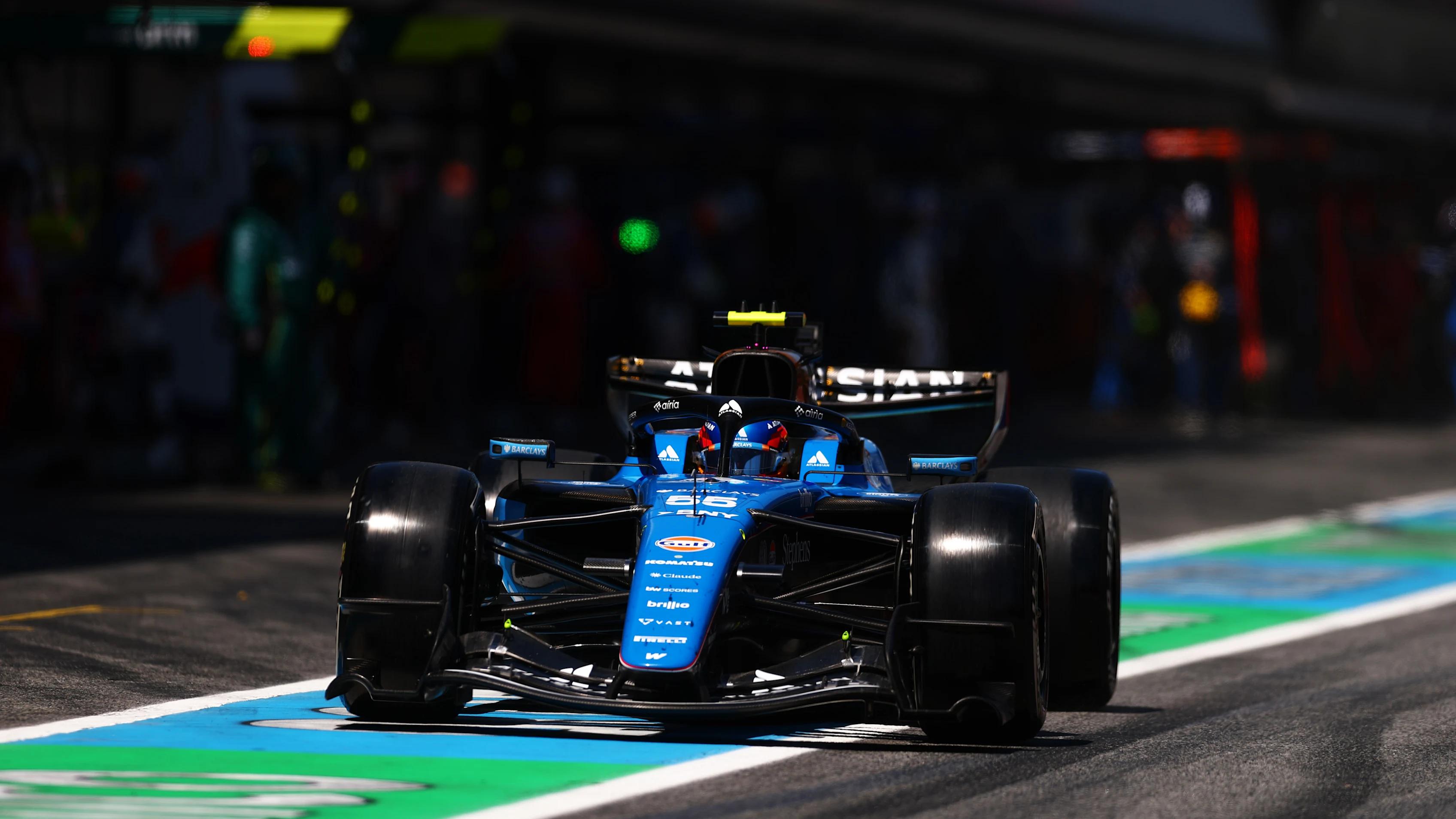
After a pair of thrilling races in Monaco and Barcelona, the teams and drivers head to Austria's Red Bull Ring for the eighth round of the season.
With high track temperatures expected for a second consecutive event, Pirelli have opted to provide the softest compounds in the range, with the C3 allocated as the hard, C4 as the medium and C5 as the soft tyre in Austria.
Drivers will get two sets of the hard tyre (marked white), three sets of the medium tyre (marked yellow), and eight sets of the soft tyre (marked red), as well as access to the green intermediate tyre and the blue full wets, should they be required.
An extra set of softs is reserved for those who reach Q3 in Qualifying, while all drivers must use at least two different slick compounds during the race, providing the track is dry.
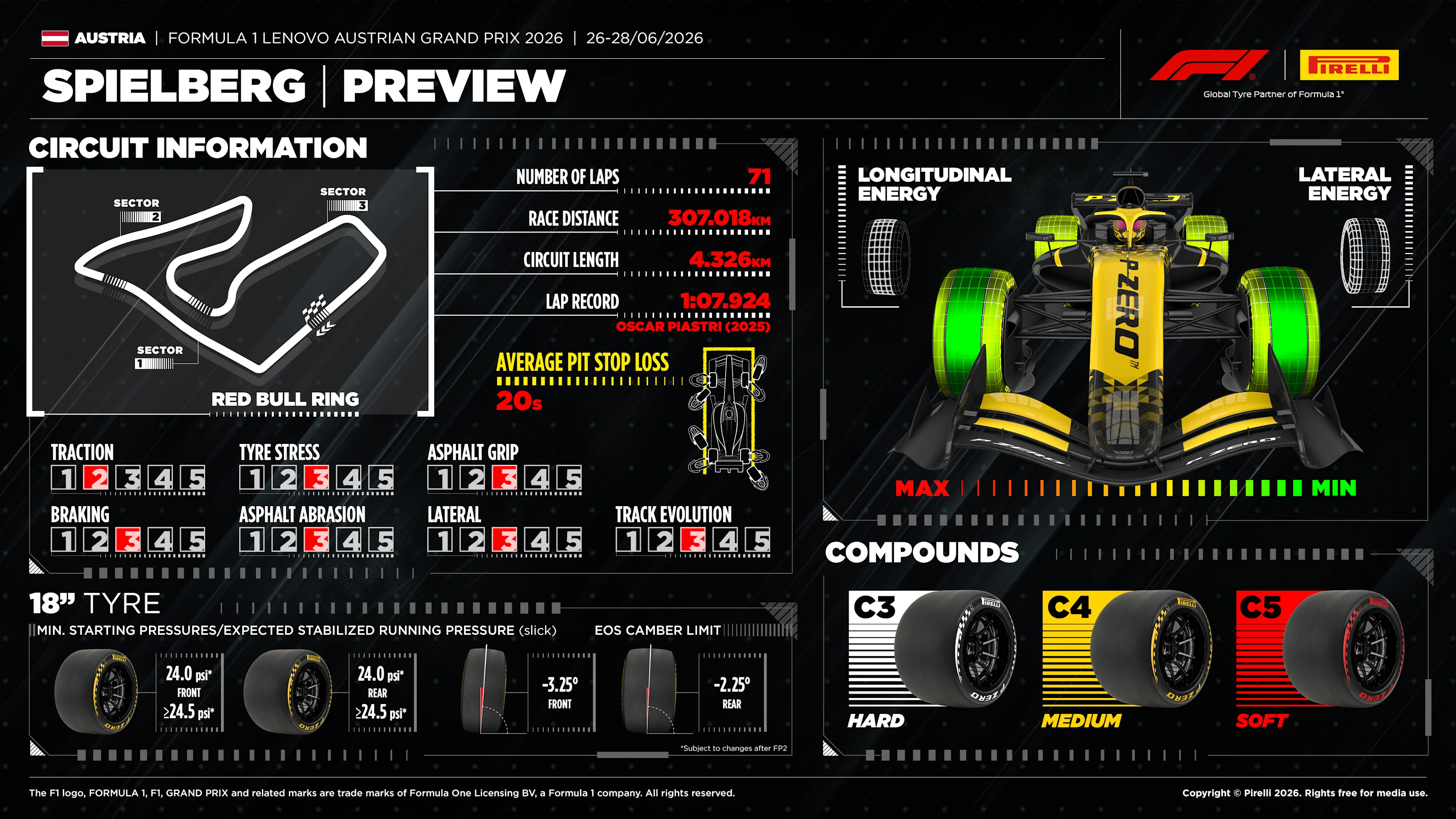
"The Austrian track is fast, characterised by elevation changes and heavy braking, and sits 660 metres above sea level," reads Pirelli's weekend preview. "It is a so-called ‘stop and go’ layout, where braking and acceleration phases follow in quick succession.
"At Spielberg, Pirelli will bring the softest compounds in the range: C3, C4 and C5. Wear is not a decisive factor in Austria, where degradation is mainly thermal in origin. The asphalt is several years old and therefore features high levels of micro- and macro-roughness which, in itself, generates heat in the tyres.
"Grip is good thanks to the rubber laid down by the numerous motorsport events hosted by the circuit throughout the year and improves over the course of the weekend, as the track evolves significantly and enhances car performance.
"The traction zones also place stress on the rear tyres, which are more prone to degradation. However, drivers will need to pay attention to the front axle under downhill braking. The Red Bull Ring has an elevation change of 63 metres, making it the second circuit for altitude variation. The new power units could deliver enough power to induce locking precisely under these downhill braking phases.
"Another key aspect relates to the circuit’s altitude. At over 600 metres, the thinner air results in lower downforce on the cars, which may lead to increased tyre slip.
"Last year, most teams completed the race with two pit stops and all three nominated compounds were used during the Grand Prix. With the greater consistency of the current tyres, a stronger trend towards a one-stop strategy could be expected.
"Temperatures will also be a factor. In late June they could be high, approaching Barcelona levels. However, the circuit is located in a mountainous area of Styria and the surrounding forests can sometimes create conditions for sudden changes in weather."
For more information about Pirelli’s F1 tyres, visit pirelli.com.
Next Up
Related Articles
 ‘Some drivers shouldn’t be in F1’ – Norris on Baku clash
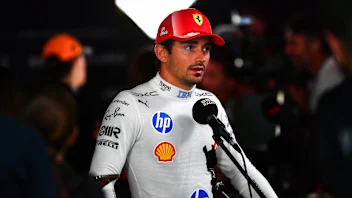 Leclerc urges Ferrari to ‘bring upgrades to close the gap’
 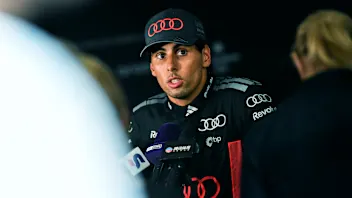 Bortoleto handed penalty after yellow flag infringement
 Betting5 betting lessons after Russell wins in Azerbaijan
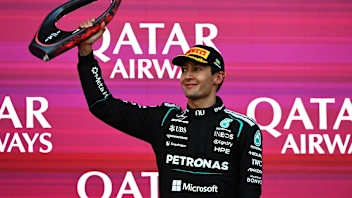 Russell ‘feels like myself again’ after Baku victory
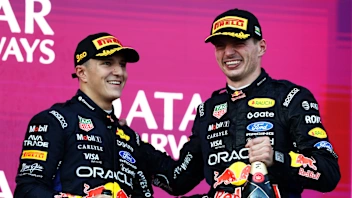 BettingRed Bull's Baku brilliance gives Verstappen fresh hope