Everything you need to know about the new F1 rules for 2026
Formula 1 prides itself on being at the forefront of innovation – and the relentless pursuit of breaking new ground continues next year when the championship’s rules will be revamped in the biggest shake up the sport has seen for more than a decade.

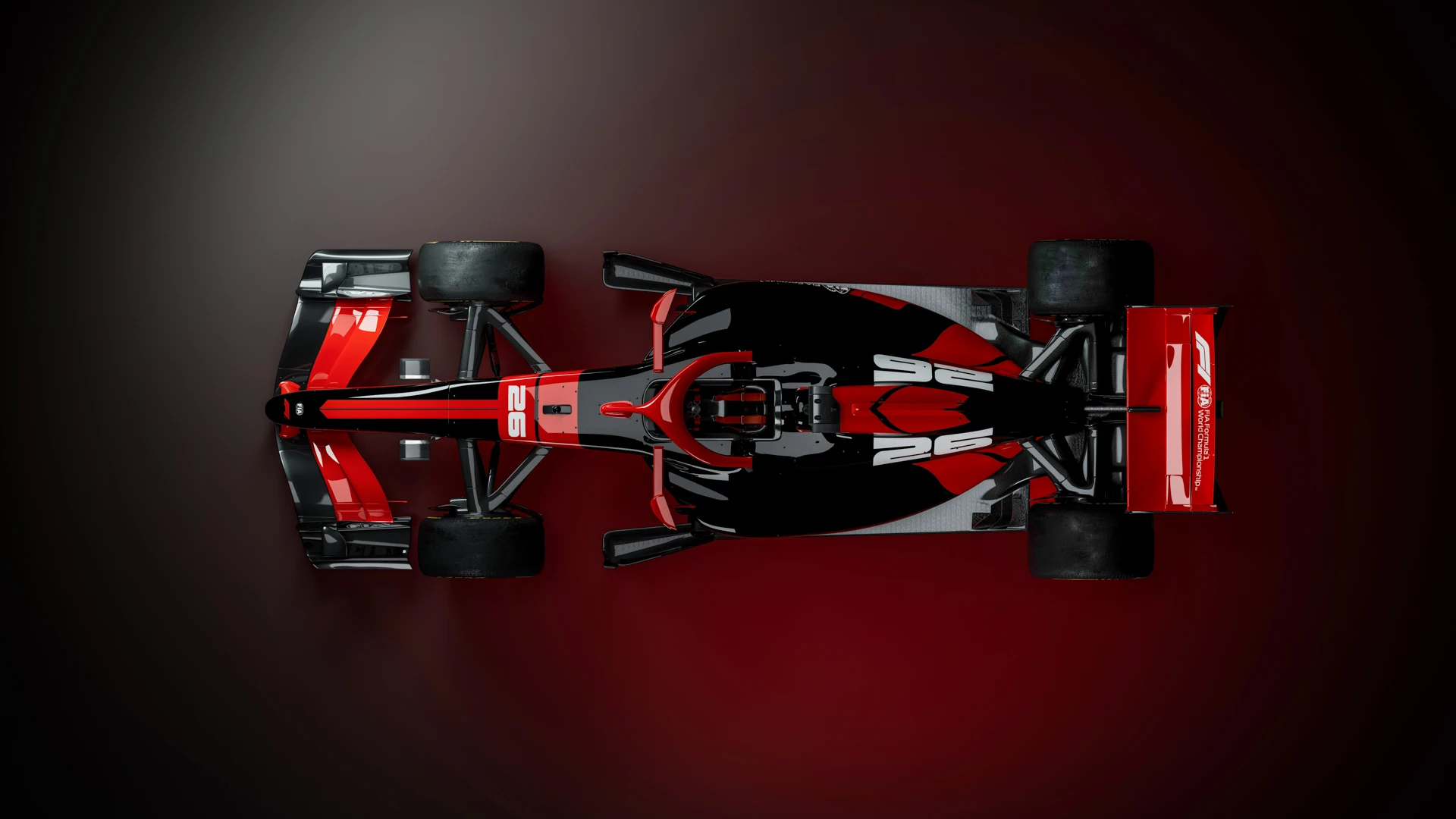
From 2026, Formula 1 will feature a revised aerodynamic package that will deliver new-look cars alongside an overhauled set of power unit rules that are engaging for existing manufacturers Ferrari and Mercedes, attractive to newcomers Red Bull Powertrains – who have teamed up with Ford – Audi and General Motors (the latter launching their power unit in 2029) and attractive enough to bring Honda back to the party…
Oooooh, interesting. Okay, you’ve succeeded in getting my attention. How big are we talking?
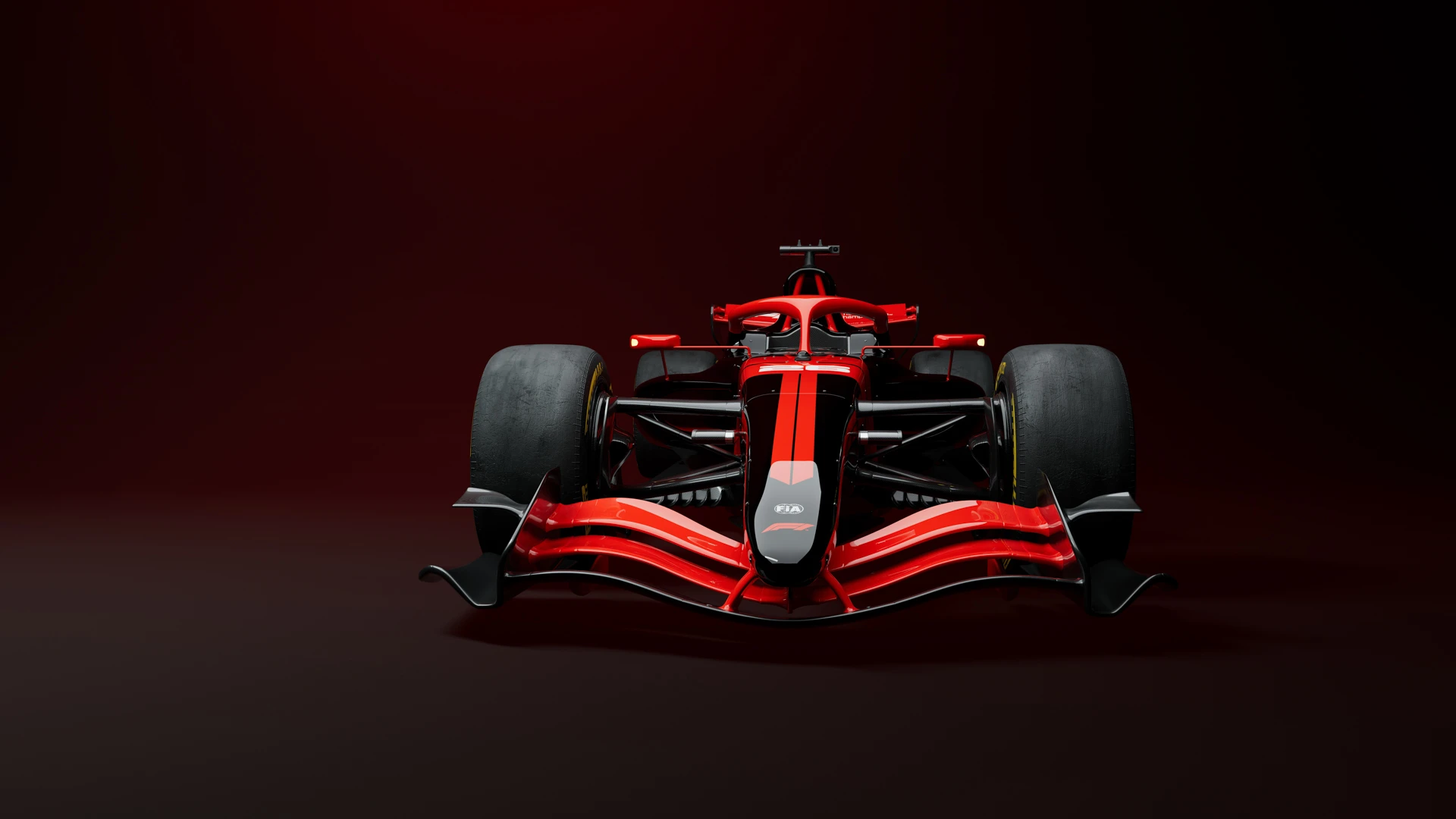
Well, let’s kick off with the aero rules. For starters, the cars will be shorter, narrower, lighter and nimbler. The wheelbase has been shortened, which in theory means they should be more responsive through corners. The cars will still be fitted with 18-inch Pirelli tyres – but they are narrower. That’ll cut drag – and trim off yet more weight. Oh – and those little arches above the front tyres are no more, which keeps the cars cleaner and yes, you guessed it, lighter again.
I’m liking the sound of this. Keep the good stuff coming…
No problem! There was a lot of focus on the intricate floors underneath the car in the last era of regulations that lasted from 2022-2025. But from 2026, it’s all change. It’s goodbye long ground-effect tunnels and hello flatter floors with extended diffusers with bigger openings. This will mean less downforce and a higher ride height requirement that should lead to a greater variety of set-ups that suit a greater range of driving styles – thus levelling the playing field.
Good, good. And what’s this I hear about different wings?
It seems you’re well informed! From next year, both front and rear wings will be simpler, which roughly translates to fewer elements. The rear beam wings will be no more, while at the other end of the car, the front wing will feature narrower elements. The outer sections of the front wing will also offer potential new areas of development and this will certainly be a critical battleground for teams, as the front wing heavily influences the car’s overall aero performance.
Lovely stuff. But…
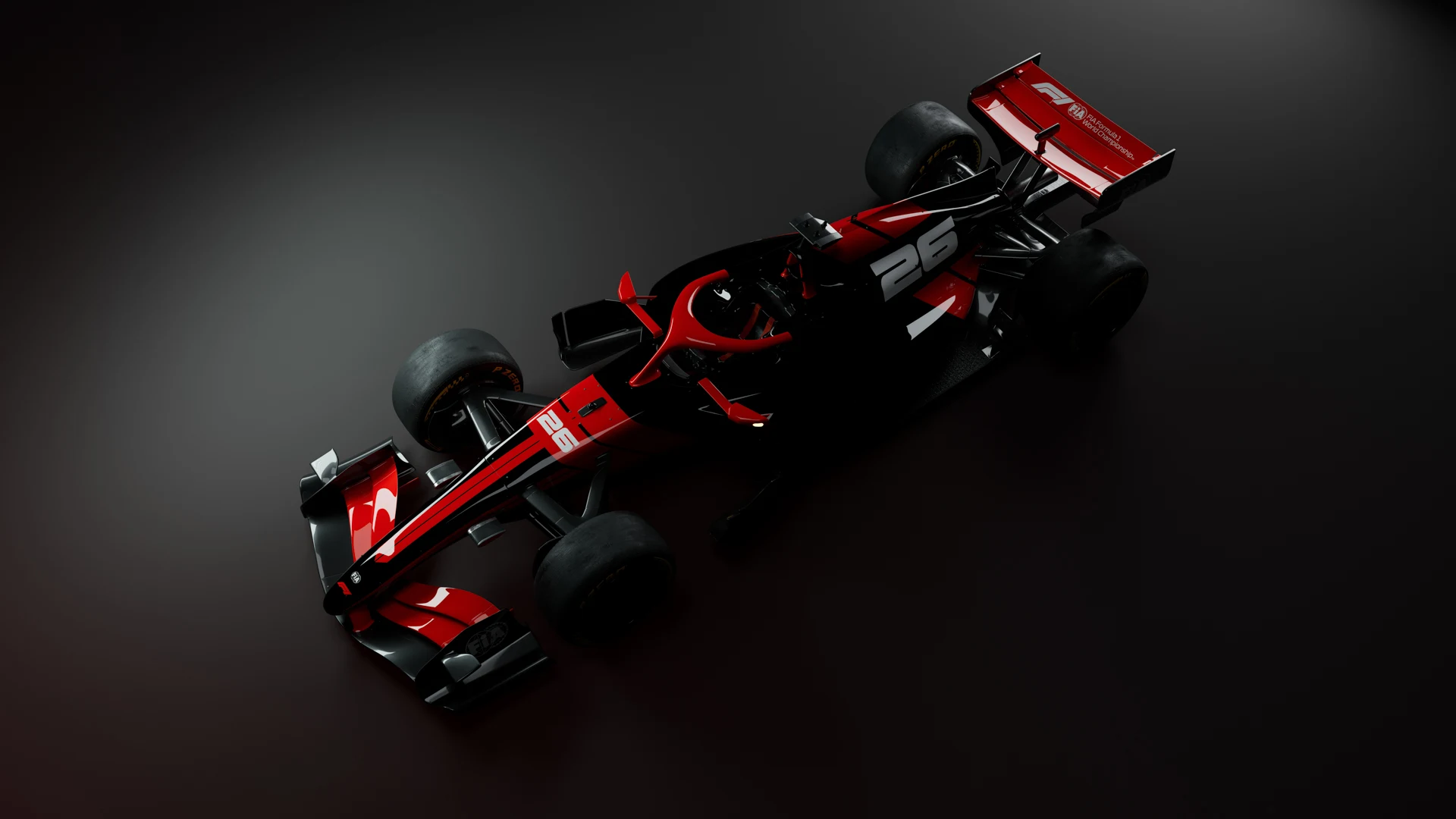
Hang on, I haven’t finished with the wing chat yet! The most significant change is the introduction of Active Aero. The cars can adjust the angle of both their front and rear wing elements depending on where they are on track.
In the corners, the flaps stay shut in their default position to maintain grip. On designated straights, drivers can activate low-drag mode, which opens the flaps and flattens the wings, reducing drag and boosting top speed. This is available to every driver, on every lap.
So does that mean it’s the end for DRS?
Yes, Active Aero means essentially saying goodbye to DRS in its current form, as the rear wing flaps can be opened on every designated straight without the need to be within one second of the car in front. However, being inside one second of your rival does still bring benefits in the form of Overtake Mode.
Oooooh. Overtake Mode. That sounds fun!
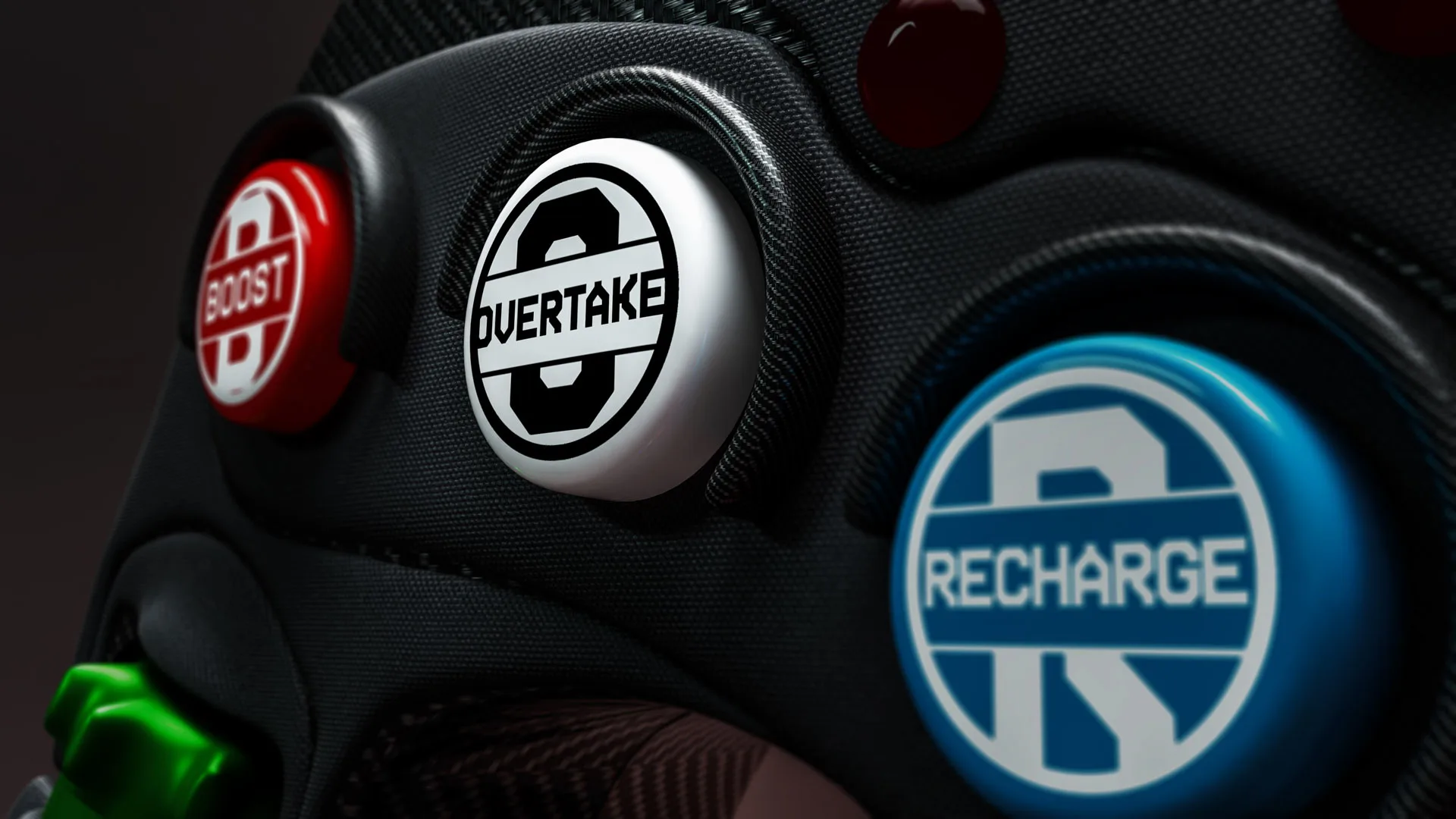
Yep, especially because a driver can strategically use it. The mode is just for attack and is triggered when they’re within one second of the car in front. That gives them access to extra electrical energy which they can use to deploy to overtake or pressure the driver ahead at a single detection point.
Nice. Do they still have a button to activate maximum power from the engine and battery?
They sure do. This has been renamed the Boost button and drivers can continue to use it in defence as well as overtaking at any point around the lap, providing they have enough charge in their battery, of course. Drivers may use it all at once or spread across the lap, depending on when they have the best chance to attack or where they are most vulnerable.
Great – so that’s two helpful tools at the drivers’ disposal. Anything else?
Yes, there is. Drivers will oversee their battery recharge. Working with their race engineer, the duo can select from a range of different modes to recharge their battery, from braking and engine energy. That means they have three tools they can use tactically when in the heat of battle.
Let’s get stuck into the power unit changes, then. What’s happening under the hood?
A lot. While the core is still a 1.6-litre V6 turbo hybrid, the power balance has shifted significantly. From 2026, the internal combustion engine output has been cut while the electric motor has tripled, meaning we’ve got roughly a 50-50 power split between petrol and electric. This makes the power units more road relevant – and thus more attractive to existing manufacturers Ferrari and Mercedes, newcomers Red Bull Power Trains in partnership with Ford, General Motors (from 2029) and Audi, plus returning suppliers Honda.
That sounds like a fun challenge for the power unit engineers…
You’re not wrong – but this is the kind of challenge they love. To power the new hybrid unit, the car’s Energy Recovery System (ERS) can now recharge the battery with twice as much energy per lap, through things like recovery under braking or lifting off the throttle at the end of straights. The revamp of the power unit does mean it’s the end of the expensive and complex MGU-H (a heat recovery system), which lacked road relevance and added weight.
And what fuel will these new power units be running on?
I’m glad you asked. For the first time ever, Formula 1 power units will be running Advanced Sustainable Fuels, which have been trialled in F2 and F3 in 2025. The fuel is made from cutting-edge sources like carbon capture, municipal waste and non-food biomass – and it is independently certified to meet strict sustainability standards.
That’s pretty cool. There’s a lot there already – but anything else?
No rule change would be complete without further enhancements to safety – and 2026 is no different. The drivers’ survival cell will be subjected to more rigorous tests, while the roll hoop will be strengthened to take 23% more load – that’s roughly the weight of nine family cars. The front impact structure design has been tweaked so it now separates in two stages to give drivers greater protection in big crashes where there are secondary impacts after the initial contact.
Out of interest, who shaped these rules?
That would be governing body the FIA in close collaboration with the teams and commercial rights holder Formula 1. The result was a ruleset that has already attracted four manufacturers – which means more competition and more innovation.
Superb. Do you mind summing it all up for me in a nutshell, please?
Don’t mind if I do. Formula 1 cars will continue to be fast, to be cool, to be awe-inspiring to watch. But from 2026, they will be more challenging for the teams and the drivers. They’ll have to deal with new tech and tighter rules – while managing a greater set of tools to attack or defend that can make or break their ultimate performance and finishing position.
With less downforce and tighter control over turbulent air, following a car through a corner should be easier – while getting the best out of the car should be a greater challenger for the drivers. This is the future of Formula 1, powered by advanced sustainable fuel and smarter energy use. Bring. It. On.
Next Up
Related Articles
 Perez reflects on 'one of my best weekends'
 All the key moments from the 2026 Azerbaijan Grand Prix
 Leclerc urges Ferrari to ‘bring upgrades to close the gap’
  Who impressed our Power Rankings judges in Azerbaijan?
 What the teams said – Race day in Azerbaijan
 /Piastri%20post-race%20Madrid.webp) Azerbaijan mistake 'certainly took me by surprise' – Piastri
Azerbaijan mistake 'certainly took me by surprise' – Piastri